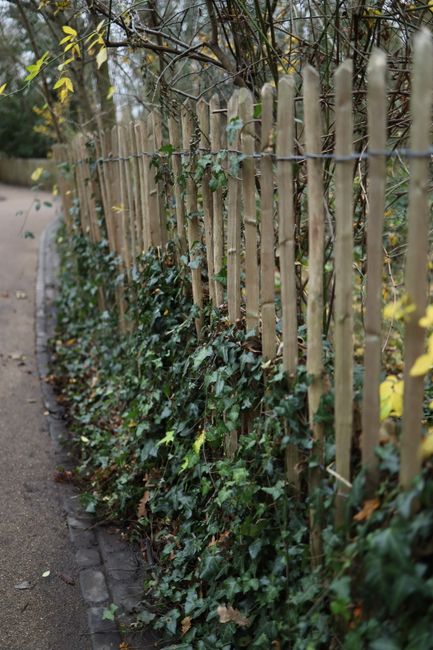
Morden Hall Park front garden makeover by local gardeners
If your front garden is looking tired, overgrown, or just a bit forgotten, you are not alone. A Morden Hall Park front garden makeover by local gardeners is often less about dramatic transformation and more about making the space feel neat, welcoming, and properly used again. The right approach can turn a patchy, awkward frontage into something that looks cared for from the pavement and works day to day without constant fuss.
That matters more than people think. Your front garden sets the tone before anyone reaches the door, and in a place like Morden Hall Park, where homes often blend leafy character with practical urban living, a smart makeover needs to balance appearance, maintenance, privacy, and local conditions. In this guide, we will walk through how local gardeners approach the job, what to expect, where the real value is, and the mistakes that trip people up. No fluff. Just the stuff that helps you make a sensible decision.
And yes, sometimes the best front garden projects are the quiet ones. The ones that simply make you think, every time you come home, "that feels better."
Table of Contents
- Why Morden Hall Park front garden makeover by local gardeners Matters
- How Morden Hall Park front garden makeover by local gardeners Works
- Key Benefits and Practical Advantages
- Who This Is For and When It Makes Sense
- Step-by-Step Guidance
- Expert Tips for Better Results
- Common Mistakes to Avoid
- Tools, Resources and Recommendations
- Law, Compliance, Standards, or Best Practice
- Options, Methods, or Comparison Table
- Case Study or Real-World Example
- Practical Checklist
- Conclusion
- Frequently Asked Questions
Why Morden Hall Park front garden makeover by local gardeners Matters
A front garden is not just decoration. It is the bit of land that deals with first impressions, drainage, access, privacy, and the everyday wear-and-tear of living near a busy street. A thoughtful Morden Hall Park front garden makeover by local gardeners matters because this part of the property has to do several jobs at once, and in a local area like this, weather, soil, and the character of neighbouring homes all affect what works best.
Local gardeners bring something practical to the table. They understand how front gardens in south-west London often need a mix of tidy structure and resilient planting. They know which layouts tend to stay neat through wet spells, which surfaces cope better with foot traffic, and which plants do not turn into a weekly battle. Truth be told, that local knowledge can save you from making an expensive mistake that looks lovely for six weeks and then becomes a chore.
There is also a very real lifestyle angle. Many homeowners do not want a high-maintenance border that needs constant clipping, deadheading, and rescue missions. They want something manageable. Something that looks good in November as well as June. Local gardeners are usually better at designing for that reality, because they are working in the same weather, with the same kind of housing patterns, and with the same everyday expectations as you.
And if the front of your home has become a bit of a magnet for weeds, moss, clutter, or patchy grass, the issue is often bigger than appearance. It can affect how safe the path feels, how easy it is to park a bike or bin, and how much natural light reaches the doorway. Small details, yes, but they add up.
How Morden Hall Park front garden makeover by local gardeners Works
A proper makeover usually starts with a site assessment rather than a rushed shopping list. Good local gardeners will look at the size of the frontage, the direction it faces, how people move through the space, the condition of the soil, the state of any lawn or paving, and what the garden needs to do on a daily basis. Do you want privacy from the road? A clean, low-maintenance look? More planting? Better access? Those answers shape everything that follows.
The process often breaks down into a few simple stages. First comes clearing and cutting back. Then comes deciding what stays and what goes. After that, the hard landscaping and planting plan take shape. Some gardens need edging or a new path. Others just need structure, sharper borders, and a better mix of plants. A front garden makeover by local gardeners is usually more tailored than people expect, and that is a good thing. One size rarely fits all.
In many cases, the biggest improvement is not even the "fancy" part. It is the reset. Overgrown hedges cut back properly, old debris removed, tired turf replaced or revived, and a planting scheme built around the way the space actually gets used. Once the basics are right, the garden starts to breathe again.
If the project includes new materials, local gardeners may also consider how they will age. For example, gravel can work well for drainage and neatness, but only if it is edged and laid correctly. Similarly, planting beds can look soft and inviting, but they need enough room and a maintenance plan or they will quickly become unruly. Small choices, big consequences. That is gardening for you.
Key Benefits and Practical Advantages
The obvious benefit is a better-looking front garden. But if you stop there, you miss the real value. A well-planned makeover can make the whole property feel more coherent and easier to live with.
- Improved kerb appeal: A clean, balanced frontage makes the home feel cared for and more inviting.
- Lower maintenance: Smart plant choices and simpler layouts reduce weekly work.
- Better access: Clear paths, defined edges, and sensible layouts make everyday movement easier.
- More privacy: Carefully placed planting can soften views without making the front feel boxed in.
- Better drainage and tidiness: Thoughtful ground cover and edging can help prevent mud and mess.
- Longer-lasting results: Local gardeners tend to choose solutions that suit the area, not just the brochure.
Another practical benefit is confidence. People often underestimate this. When the front of your home looks sorted, you notice it every time you leave the house. Visitors notice too, but it is really about how the place feels to you. A smart front garden has a way of making the whole property seem calmer, even if the rest of life is a bit chaotic.
There is also value in avoiding false economy. A rushed DIY tidy-up may cost less upfront, but if the soil is poor, the hedging is wrong, or the planting is too fussy for the site, you can end up redoing the same space in a year. Local gardeners help prevent that sort of loop.
Who This Is For and When It Makes Sense
This kind of project suits a surprisingly wide range of homeowners and landlords. If your front garden is small and you need maximum impact with minimum maintenance, a makeover can make all the difference. If you have a bigger frontage and want structure rather than clutter, that works too. The key is to match the design to the property and to the amount of care you are realistically willing to give it.
It tends to make the most sense if you are dealing with any of these situations:
- The garden has become overgrown and patchy.
- You want a neater entrance without constant upkeep.
- The current layout feels awkward or wasted.
- Plants are failing because the conditions are wrong.
- You are preparing to sell or let the property and want a stronger first impression.
- You want better privacy or screening from the road.
It also makes sense if you are tired of starting and stopping DIY jobs that never quite get finished. Let's face it, many front gardens get treated as a "later" project for years. Then one day the weeds win. A local gardener can step in, sort the priorities, and turn the whole thing into a clear plan rather than a series of half-done weekends.
On the other hand, if you already have a mature front garden that works well, you may not need a full makeover. Sometimes a targeted refresh is enough: new edging, selective pruning, better mulch, a cleaner path, or one or two resilient feature plants. Not every job needs the full works.
Step-by-Step Guidance
Here is the simplest way to think about a front garden makeover. A good result comes from sequence. Skip the sequence and things get messy fast.
- Assess the space honestly. Walk from the pavement to the door and note what feels awkward, cluttered, shaded, bare, or overgrown.
- Decide on the main purpose. Is the priority neatness, privacy, access, low maintenance, planting interest, or all four in balance?
- Clear what no longer works. Remove dead growth, self-seeded weeds, broken edging, tired containers, and anything that blocks the design.
- Check the base. Look at soil condition, drainage, paving condition, and any areas where water pools after rain.
- Choose structure first. Paths, borders, edging, hedging, and focal points should be settled before filling everything with plants.
- Select practical planting. Pick plants that suit the aspect, local conditions, and maintenance level you can keep up.
- Finish with detail. Mulch, tidy edges, clean surfaces, and make sure access points feel comfortable and safe.
A simple example: if the front garden faces north and gets limited sun, a gardener would usually avoid sun-hungry planting that keeps sulking by August. Better to choose shade-tolerant options and structure the garden around leaf shape, texture, and evergreen form. That sounds obvious, but people do ignore it. More than they should, if we are honest.
If the budget is tight, stage the work. Do the structural and safety bits first, then return later for extra planting or decorative touches. A front garden does not have to be finished in one dramatic sweep. Good gardens often evolve in sensible stages.
Expert Tips for Better Results
Local gardeners tend to focus on small decisions that make the biggest difference over time. That is where the expertise shows.
Start with the view from the street
Stand outside and look at the house as a visitor would. What do you notice first? A leaning hedge, a messy bin area, a patch of bare soil, or a lovely framed entrance? The first view should lead the eye in a calm, logical way.
Use repetition to create order
Repeating a plant, material, or shape creates rhythm. You do not need a lot of different things. In fact, too many ideas in a small front garden usually makes it feel busier than it should.
Choose plants that can cope with ordinary life
Front gardens get kicked, brushed past, splashed, shaded, and ignored at odd times. Choose resilient plants. It is not glamorous advice, but it works. Evergreens, structured shrubs, and hardy perennials often do more for the space than delicate but demanding choices.
Make maintenance easy on yourself
That means enough access to weed, prune, and water without gymnastics. If you cannot easily reach the back of a border, you will start neglecting it. Humans are predictable like that.
Think about seasons, not just day one
A garden that looks good in May but miserable in January has only solved half the problem. Good local gardeners plan for winter structure, spring freshness, summer fullness, and the soggy awkward weeks in between.
Expert summary: the best front garden makeovers are usually not the most complicated ones. They are the ones that fit the property, respect the site conditions, and stay manageable after the first enthusiastic week has passed.
Common Mistakes to Avoid
There are a few classic front garden mistakes that show up again and again. They are easy to make, especially when you are trying to get results quickly.
- Overplanting: Too many plants, too close together, and the whole space becomes crowded within a season or two.
- Ignoring drainage: If water sits in the wrong place, plants struggle and surfaces become messy.
- Choosing style over practicality: A beautiful idea that is impossible to maintain is not a good long-term choice.
- Weak edging: Borders without proper edges tend to spread, collapse, or look unfinished.
- Forgetting the path: The route to the door should be comfortable, not a little obstacle course.
- Using the wrong scale: Tiny plants can vanish in larger front gardens, while oversized features can overwhelm small spaces.
One mistake worth calling out separately is trying to copy a garden from a different type of property or a different part of the country. What works in a sheltered courtyard may look lost on an open frontage. What suits a big detached house may look clumsy outside a compact terrace. Context matters. Always.
Another common issue is assuming low maintenance means no maintenance. That is rarely true. It usually means sensible maintenance. Less clipping, fewer plants to baby, less panic. Not zero work, just a more realistic amount.
Tools, Resources and Recommendations
You do not need a shed full of specialist equipment to improve a front garden, but the right tools do make the work easier and neater. For larger makeovers, local gardeners often bring pruning tools, turf-cutting equipment, edging tools, rakes, barrows, and materials for hard landscaping or mulching. For smaller refreshes, the essential kit is simpler: a good spade, secateurs, loppers, gloves, a sturdy broom, and a watering can or hose setup that actually reaches the right places.
If you are planning to brief a gardener, it helps to gather a few practical things in advance:
- Photos of the garden from different angles
- A rough idea of your budget range
- Your preferred maintenance level
- Any plants or features you want to keep
- Notes on problem areas like shade, puddling, or poor soil
For services and planning support, it can also help to understand the broader options available on the site, such as the full range of garden services, ongoing garden maintenance, and landscape gardening for more structural changes. If the space needs a heavier reset before any design work begins, garden clearance is often the sensible first step.
For some front gardens, hedging, lawn care, or tree work may be part of the picture too. In those cases, local gardeners may also suggest hedge trimming, lawn mowing, or, where needed, tree lopping and removal. A makeover is often a mix of small jobs rather than one giant operation.
Law, Compliance, Standards, or Best Practice
For front garden work in the UK, compliance is usually straightforward, but it still deserves attention. If any part of the project affects shared boundaries, drainage onto neighbouring property, visibility near the road, or access pathways, a careful approach is wise. Local gardeners should also work safely and sensibly around tools, lifting, waste removal, and live services that may be hidden below ground.
If you are making larger changes, such as replacing hard surfaces or altering drainage patterns, it is sensible to check whether any local permission or planning consideration might apply. That is not something to guess at. Rules can vary depending on the exact change and the property. Better to pause and confirm than to dig first and ask questions later.
Good practice also includes:
- Protecting surfaces and entrances during the work
- Handling green waste responsibly
- Using suitable materials for outdoor conditions
- Leaving access clear and safe
- Making sure new planting has a realistic maintenance plan
Insurance matters too. Reputable gardeners usually carry the appropriate cover for the work they do, especially where tools, machinery, or heavier landscaping tasks are involved. If a company discusses insurance and safety clearly, that is a good sign. It shows they are thinking beyond the quick win.
Best practice is not about making things complicated. It is about reducing risk and avoiding avoidable problems. A tidy garden is great. A tidy and well-managed project is better.
Options, Methods, or Comparison Table
Not every front garden needs the same treatment. Here is a simple comparison of common approaches and where each one tends to fit best.
| Approach | Best for | Pros | Trade-offs |
|---|---|---|---|
| Simple tidy-up | Gardens that are mostly workable but messy | Quick, affordable, noticeable improvement | Does not solve deeper layout or planting issues |
| Refresh and replant | Spaces with tired borders or patchy planting | Better colour, structure, and seasonal interest | Needs sensible plant selection and aftercare |
| Hardscape-led makeover | Front gardens needing new paths, edging, or access changes | Strong structure and lasting impact | Usually more complex and may cost more |
| Low-maintenance redesign | Busy households or rental properties | Less weekly upkeep, cleaner appearance | Can look plain if not designed carefully |
In practice, many successful makeovers blend two or more of these methods. A pathway might be improved while planting is thinned and reshaped. Or a full clearance might lead into a simple, low-maintenance scheme. The best method is the one that fits how the space is actually used, not the one that sounds most impressive on paper.
Case Study or Real-World Example
Here is a realistic example based on the kind of project local gardeners often handle. A homeowner near Morden Hall Park had a front garden that looked flat and a bit lost: tired lawn, overgrown shrubs pressing into the path, weeds through the borders, and a bin area that made the whole frontage feel cluttered. Nothing dramatic was wrong, which is often how these gardens get left for too long. It was just one of those spaces that always seemed to need "sorting later."
The makeover started with clearance and pruning. The path was cleaned up, the borders were reset, and the planting was simplified so the garden had a clearer shape. Instead of trying to cram in lots of different species, the gardener used a smaller palette of hardy plants with some evergreen structure. That gave the front garden backbone. A few well-placed plants did more work than a dozen random ones ever could.
What changed most was not just the appearance, but the feel. The doorway became more visible, the route to the house was easier, and the space stopped looking like a half-finished project. On a grey afternoon, which to be fair is not rare in London, the garden still looked calm and tidy. That is usually the real test.
The homeowner did not need a show garden. They needed something dependable, attractive, and manageable. And that is exactly where local gardeners tend to shine.
Practical Checklist
Use this checklist before starting your front garden project. It keeps the job grounded.
- Identify the main goal: neatness, privacy, access, planting, or all of the above
- Check what is overgrown, damaged, or no longer useful
- Measure the space and note shaded or wet areas
- Decide how much maintenance you can realistically handle
- Choose whether you need clearance, landscaping, or simple maintenance
- Keep paths, steps, and entrances clear and safe
- Pick plants that suit the aspect and local conditions
- Plan edging and borders before filling in the detail
- Think about the garden in winter, not only summer
- Confirm any safety, drainage, or boundary issues before work begins
If you are not sure where to start, start small. A front garden does not need perfection on day one. It needs direction. Once the structure is in place, everything else becomes easier.
Conclusion
A Morden Hall Park front garden makeover by local gardeners is about more than smart planting. It is about shaping a front space that suits the property, the season, and the way you actually live. The best results usually come from simple, practical decisions: clear the clutter, get the structure right, choose resilient planting, and keep maintenance realistic.
That is the heart of it. Not a dramatic transformation for the sake of it, but a garden that looks better, works better, and asks less of you every week. If you get that balance right, the front of your home starts doing its job quietly and well. And honestly, that is a lovely thing to come home to.
Get a free quote today and see how much you can save.
Frequently Asked Questions
What is included in a front garden makeover?
A front garden makeover can include clearance, pruning, hedge trimming, lawn work, new planting, edging, path improvements, and sometimes small landscaping changes. The exact scope depends on the condition of the garden and what you want it to do.
How do local gardeners plan a front garden makeover?
They usually start by assessing the space, looking at drainage, access, sunlight, and maintenance needs. Then they decide on structure first, followed by planting and finishing touches. It is more orderly than many people expect, which is reassuring.
Is a full redesign always necessary?
No. Some gardens only need a tidy-up, better edging, and a more sensible planting scheme. A full redesign makes sense when the layout is awkward, the garden is severely overgrown, or the current setup is no longer practical.
How long does a front garden makeover usually take?
That depends on the size of the space and how much work is needed. A light refresh may take a day or two, while a more involved project with clearance, planting, and hard landscaping can take longer. Weather can also nudge timings about a bit.
What makes local gardeners a better fit for this type of work?
Local gardeners understand the area's common garden conditions, seasonal patterns, and the kind of layouts that suit nearby homes. That local knowledge helps them choose practical, long-lasting solutions rather than generic ones.
Can a front garden be low maintenance and still look good?
Yes, absolutely. The trick is to use resilient plants, clear structure, and simple surfaces that are easy to keep tidy. Low maintenance does not have to mean plain or boring. Not at all.
Do I need garden clearance before starting a makeover?
If the garden is heavily overgrown or full of waste, clearance is often the best first step. It gives you a clean base and makes it easier to judge what should stay, what should go, and what the space really needs.
What should I ask before hiring a gardener for a front garden project?
Ask what is included, how they approach planning, whether they are insured, what materials they recommend, and how they handle waste. It also helps to ask how much maintenance the finished garden will need.
How can I make sure the new garden does not become hard work?
Be honest about your time and energy. Choose manageable planting, avoid overcrowding, and keep the layout simple enough to maintain. A good gardener will help you match the design to your real routine, not an ideal one.
What if my front garden has poor drainage?
Poor drainage should be addressed before planting too much into the space. That might mean changing the soil, improving levels, or adjusting hard surfaces. Ignoring drainage tends to cause repeat problems, and nobody needs that.
Can a front garden makeover improve the look of my whole property?
Yes. The front garden is one of the first things people see, so even modest improvements can make the whole home feel sharper and more cared for. It can make a surprising difference from the street.
Are there any best-practice considerations for front garden work in the UK?
Yes. It is wise to consider access, safety, drainage, boundaries, and waste handling, especially if the work involves heavier landscaping or changes to surfaces. Good practice keeps the project smooth and helps avoid needless problems later on.