Lawn Mowing in Morden

Keeping a lawn tidy takes more than a quick pass with a mower, especially where the grass changes with the seasons and the finish matters. Our lawn mowing in Morden is designed to keep domestic and commercial grassed areas neat, manageable and ready for everyday use. We focus on regular cutting, clean edging and sensible grass collection so the result looks cared for rather than rushed.
Alongside routine mowing, we can support wider outdoor maintenance where it helps the lawn stay in better condition. That may include trimming the perimeter, tidying borders and working around paths, fences and planted areas with care. The aim is straightforward: a neat lawn surface, sensible upkeep and a service that fits the property rather than forcing the property to fit the job.
For a clear quotation, it helps to share the size of the area, how often it needs cutting and whether any sections are awkward to reach. If you already know the surface condition, mention that too. Tell us what needs mowing and we can shape the work around it. The rest of this page explains the main services, common options and useful decisions before you enquire.
Regular lawn mowing and maintenance
Regular mowing is the foundation of a well-kept lawn. Cutting at the right interval helps the grass stay even, reduces rough patches and avoids the uneven look that can develop when growth is left too long. We can work to a recurring schedule or handle one-off visits where the lawn simply needs bringing back into shape. Either way, the finish should suit the site and the season.
Good mowing is not only about the blade height. It also involves choosing a sensible direction, overlapping passes properly and avoiding damage from turning on softer areas. Where appropriate, we can mow around garden features and access routes so the result is neat across the whole usable area. If a lawn has mixed growth or a patchy edge, it is often better to make the cut more carefully than to chase speed.
What a tidy mowing visit may include
The practical detail varies with the property, but a typical mowing service can involve cutting the main lawn area, edging the perimeter, collecting or dispersing clippings where suitable and leaving the space ready for ordinary use. In some gardens, a light follow-up tidy is useful after the mower has finished. In others, the priority is simply a consistent cut that keeps the lawn looking uniform.
Edge work, finishing touches and grass care

Even a well-cut lawn can look unfinished if the borders are ragged. Edge work makes a visible difference along paths, drives, patios and planting beds, especially where grass has started to creep into adjoining surfaces. We take care to keep the transition clean so the lawn reads as a defined area rather than a blurred one. That attention to detail is often what gives the whole garden a sharper appearance.
Grass clippings can be handled in different ways depending on the condition of the lawn and the result wanted. In some cases, collecting clippings is the neatest option. In others, light mulching may suit the grass if the cut is fine and the surface is healthy. The decision depends on the lawn itself, not on a fixed rule, because different sites benefit from different finishing methods.
If a lawn is uneven, overgrown or mixed with stubborn tufts, the mowing approach may need adjusting. A single heavy cut is not always the best answer, particularly where the grass is tall or the ground is not level. Careful, staged work can be more suitable than forcing the finish in one visit. That is often the difference between a decent short-term result and a better-looking lawn over time.
Overgrown grass and one-off tidy-ups
Some lawns need more than routine maintenance. When grass has grown too long, the job becomes less about quick cutting and more about recovery. In those cases, a careful first cut may need to be followed by a second, lighter pass so the lawn is not stressed. This is particularly useful where the grass has been left for several weeks or has become uneven after wet weather or heavy use.
One-off tidy-ups are useful for gardens between regular visits, for tenants preparing to move, or for properties that have been difficult to maintain consistently. The objective is to bring the space back to a manageable state without creating unnecessary disturbance. Where the lawn is borderline between mowing and clearance, the right choice depends on what is actually on site rather than on a standard package.
If the grass has been left so long that other growth is mixed in, some light general tidying may also be needed around the mowing area. That can help the lawn stand out again and make later maintenance simpler. One-off lawn care works best when the finish is planned around the condition of the grass, the access available and the final look the property needs.
Garden maintenance to support a healthy finish
- Routine mowing for a neat, even lawn surface
- Perimeter tidying to sharpen the lawn edges
- Grass collection or lighter finish options where suitable
- Support for more overgrown or uneven patches
- General garden maintenance that keeps the space easier to manage
Some customers want mowing as part of broader garden maintenance rather than as a standalone task. That approach can be practical where the lawn sits alongside beds, borders, paths and shrubs that also need attention. Keeping the wider area in reasonable order helps the mowing look better, because the lawn is no longer competing with untidy surroundings. The result is usually calmer, cleaner and more coherent.
We can combine lawn care with light outdoor maintenance where it is relevant to the site. That may mean checking the shape of the cut after other tidying work has been completed, or making sure the grass meets the surrounding surfaces neatly. The key is to avoid overcomplicating the job. A well-run maintenance visit should feel organised and purposeful, not like a collection of unrelated tasks.
Hedge trimming and boundary tidying

Boundary growth can affect the way a lawn is maintained, especially where hedges or shrubs cast shade or spill over the cut line. Trimming those edges can make mowing simpler and improve the overall presentation of the garden. We can manage hedge trimming where it supports the wider upkeep of the property, keeping the work focused on a clean and practical result.
When hedges are too wide or too low, they can encroach on the usable lawn area and make mowing less efficient. Trimming them back can restore a clearer edge and give the grass room to be cut properly. This is particularly useful on narrow side spaces, front gardens and properties where the boundary planting has grown beyond its intended shape. Careful trimming also helps avoid the rough, uneven look that can happen when the perimeter is left untouched for too long.
Boundary tidying is best approached with the lawn in mind, because the two tasks affect each other. A garden often looks more balanced when the grass line and the surrounding planting are both under control. Where needed, we can discuss how hedge trimming and mowing fit together so the work is handled in the most practical order.
Garden clearance before mowing
Some sites need a clear-out before mowing can be done properly. Fallen branches, excess cuttings, leaf build-up and general garden debris can obstruct access or produce an untidy finish if they are left in place. Garden clearance gives the mower a better surface to work with and can make it possible to reach the full lawn rather than just the obvious open areas.
This type of work is useful where a garden has been left unmanaged for a period or where ongoing use has allowed clutter to collect near the grass. Clearing the immediate mowing area makes a measurable difference to the outcome, because the cut becomes more even and the edges more visible. It can also help identify whether any separate landscaping or maintenance task should come first.
When clearance and mowing are combined, the most sensible order matters. A careful first stage removes the obstacles, then the lawn can be cut and finished properly. In some situations, the priority is simply to make the area usable again. In others, the aim is a more polished result that supports future routine maintenance.
Landscape gardening for more usable outdoor space

Landscape gardening sits naturally alongside lawn mowing when the aim is to create a better-organised outdoor space. It may involve reshaping planted areas, improving the layout around the lawn or adjusting features that currently make maintenance awkward. The benefit is not just visual: a more practical layout often makes regular mowing easier and the whole garden simpler to care for.
For some properties, the lawn is the main open area and the rest of the garden needs to support that focus. In those cases, small changes in layout can improve access, define borders and make the cut more consistent. Landscape gardening can also help if an area has become fragmented, with the grass broken up by overgrown planting or awkward transitions between surfaces. A cleaner arrangement often means a better lawn finish.
Where planting, edging and open ground are not working together well, we can discuss sensible adjustments that suit the site. The aim is always practical rather than decorative for its own sake. Useful landscaping should make the garden easier to understand, easier to maintain and more satisfying to use, which is why it pairs well with ongoing mowing work.
Pricing factors and quotation details
Mowing costs can depend on several practical factors: the size of the lawn, how overgrown it is, whether the edges need attention and whether clippings need collecting. Access also matters, particularly on properties where equipment has to be carried through narrow side routes or where the mowing area is split into more than one section. These details help shape the quotation in a way that is fair and relevant to the actual job.
If you are asking for a price, it is useful to mention the current condition of the grass and how often you would like the work carried out. A recurring cut will normally be approached differently from a one-off visit on an overgrown lawn. Photos can help with the initial assessment, but a clear written description is also valuable. Good quotation details usually save time and avoid misunderstandings later.
To keep the enquiry straightforward, send the main facts first: lawn size, general condition, location within the property and any special access points. Then say whether you want a regular schedule or a single visit. If the work may include edging, clearance or other related upkeep, mention that too. A short, accurate description is often enough to begin the conversation.
About Morden
Morden is a district in the London Borough of Merton, in south-west London, and it is shaped by a mixture of residential streets, older local centres and open green spaces. The name is historically associated with the River Wandle valley and with the former village that developed around the area long before modern suburban growth changed its character. One of the most recognisable local landmarks is Morden Hall Park, a National Trust site on the banks of the Wandle, where wetlands, meadows and formal gardens sit alongside traces of the estate’s past use. The river corridor is an important thread in the local landscape, giving the area a sense of continuity despite the surrounding development. The district grew significantly with the arrival of the Underground in the 20th century, and that change helped shape Morden as a commuter area with a more urban feel than its earlier rural setting. Even so, the area still retains pockets of open space, established housing and a clear relationship with the wider borough. Architecture in and around Morden includes interwar suburban streets, later infill development and community buildings that reflect different stages of growth. The local environment is therefore a blend of planned residential expansion and older routes, with the historic village core still visible in the pattern of roads and public spaces. That mix gives Morden a distinct identity within south-west London, balancing everyday urban life with reminders of its earlier settlement history.
Landscape and longer-term lawn care
Where a lawn needs more than short-term upkeep, it can be worth looking at the wider condition of the ground and surrounding planting. Some lawns are straightforward to maintain once they are back under control, while others benefit from a broader plan that improves access, defines edges and removes obstacles to routine mowing. We can discuss that as part of a sensible, practical approach to the property.
Longer-term care is often about consistency. A lawn that is cut regularly, edged cleanly and kept free from avoidable clutter is usually easier to manage than one that alternates between overgrown and heavily cut. If the area includes awkward corners, narrow strips or mixed surfaces, the work may need to be arranged with those features in mind. The point is not perfection; it is a finish that remains tidy and manageable.
Simple steps that help keep the result neat
Some useful decisions are quite straightforward. Keep the mowing schedule realistic, choose the right finish for the grass condition and deal with the surrounding clutter before it starts affecting the cut. If there are parts of the garden that are rarely used, those areas may need a different approach from the main lawn. A calm, proportionate plan usually gives the best long-term result.
Request a quotation
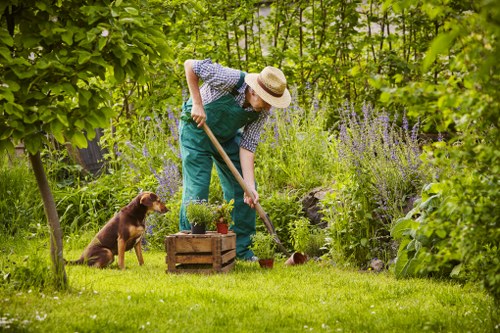
If you would like a quotation for lawn mowing in Morden, the easiest next step is to outline the lawn size, the current condition and whether you need a one-off cut or regular maintenance. You can also mention any related work such as edging, hedge trimming or garden clearance if it forms part of the same visit. That helps us understand the full scope before pricing the job.
We aim to make the process practical and clear. Tell us what the lawn looks like now, how you would like it maintained and whether there are access points or restrictions worth noting. If you are unsure which level of service is most suitable, describe the area as it is and we can help guide the next step. For the final enquiry, please use the contact us page.
Whether the work is a simple cut, a tidy-up after growth has got ahead, or a more considered maintenance visit, the starting point is the same: a clear description of the area and the result you want. Send the details when ready, and we can prepare a quotation that reflects the job properly. We welcome straightforward enquiries and will work from the information you provide.